Sky Dancing

Winter’s first blizzard is raging outside and I can’t wait for spring and the return of the Sky Dancing American Woodcock to The Springs.  The past few seasons The Keepers of the Springs, John and Sue Hrobar excitedly asked The Buckthorn Man: “Have you see the woodcocks?”  The joy and wonder brightly illuminating their faces was not enough to spark a glow in The Buckthorn Man’s dimly lit bulb.  It took a serendipitous encounter with Dennis Lutynski, owner of the SkyDance Pet Lodge, at the Ottawa Lake Fen SNA to turn on my learning switch.

SkyDance

Lindsay Knudsvig and I were relaxing yesterday in front of one of our blazing brush piles on the north side of the Ottawa Lake Fen SNA when Dennis emerged from the woods.  Although we had never met, I knew it was him; I had introduced myself at SkyDance a couple weeks earlier to let them know about the NAWCA grant application and review where the property line was.  The Buckthorn Man is a notorious interrupter and I could barely restrain myself as we began sharing information about how the restoration effort might impact SkyDance and how Dennis and his family took ownership of the property 12 years ago.

The SkyDance Pet Lodge is immediately north of the Ottawa Lake Fen SNA and completely surrounded by DNR land.  We talked about the need to preserve the privacy of the dog kennels, sans the buckthorn, black locust and box elder, and about the potential impact the removal of all that cover would have on the local American Woodcock population.  Dennis is the only woodcock bander in southeast Wisconsin and his face lit up as he described the sky dancing performances they put on right in their front yard.
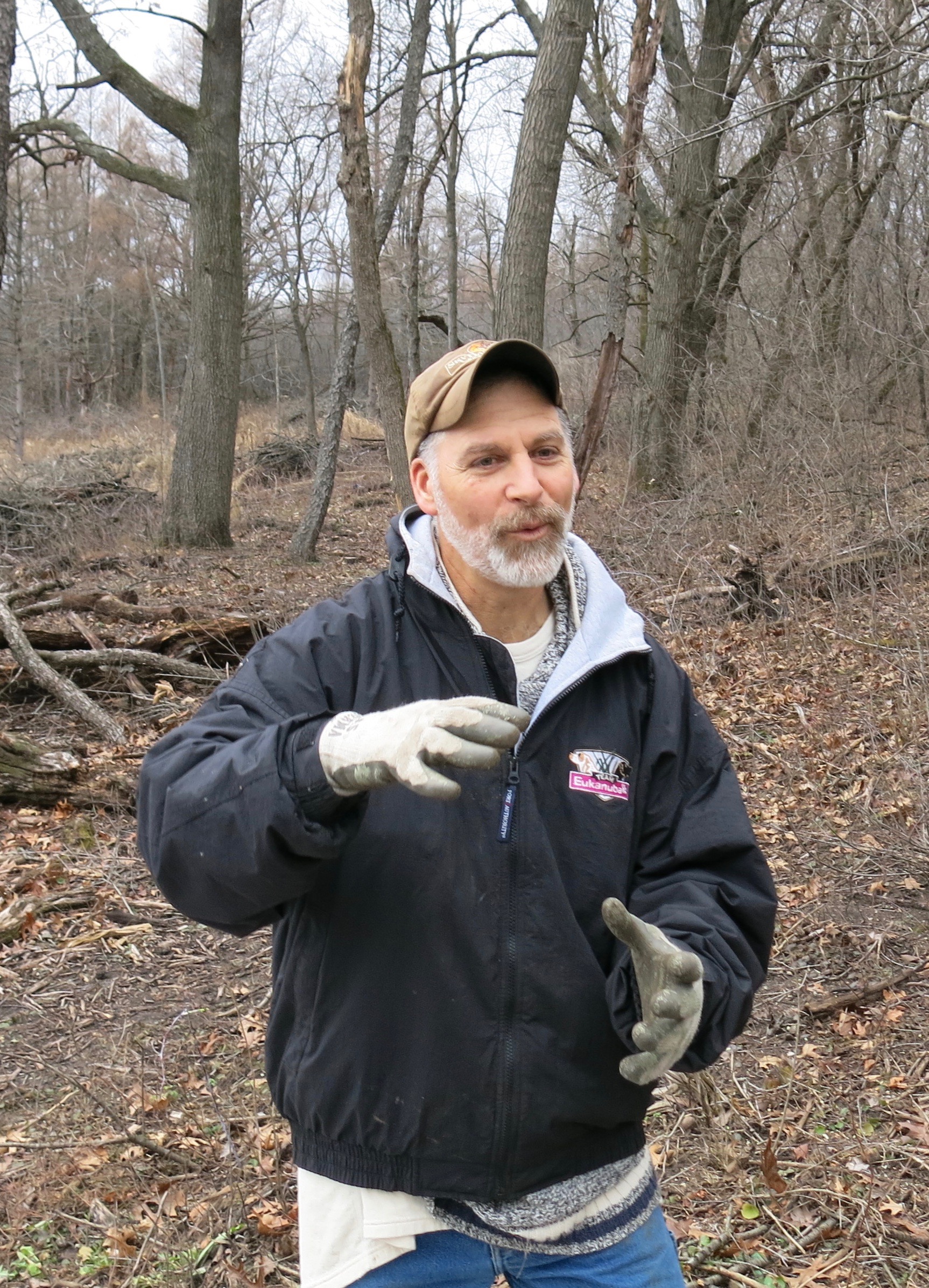
Version 2In Dennis’ words:

“There is magic in experiencing the sky dance of the male woodcock during his courtship.

A series of spiraling flights and ground strutting mixed with musical loud buzzy bzeeps!  Sky dancing as he plummets back to earth, twittering as he descends, inviting you to wonder about this unique spring ritual and the rotund little shore bird that rarely sees the shore!  We invite you to experience the magical dance in the open fields surrounding our property in the Kettle Moraine Forest.

Banding the woodcock chicks is required to aid in research of the rapidly declining population. English Setter’s are frequently preferred for locating the nesting chicks. The English Setter’s careful footsie ghost-like motions set the woodcock, enabling the banders to net, record and band the chicks.”

Dennis named their kennels after the unfathomably mysterious flight of this beautiful bird.

woodcockAldo Leopold wrote eloquently about the American Woodcock in A Sand County Almanac essay: Sky Dance.

I get it now! and plan to be front and center near the parking lot of the Scuppernong Springs Nature Trail, where the American Woodcock will be performing again next spring.

It was a real pleasure to meet Dennis and he could not have been more supportive and cooperative.  We are looking forward to working closely with him during the restoration to insure that a suitable visual and sound border is established between the trail on the north side of the fen and the SkyDance Pet Lodge kennels.

Dennis returned a few minutes later with a large aerial photograph circa 1967 of the property, which has been utilized as a dog kennel for over 50 years.  “You got a lotta work to do!”
IMG_6899
Yes indeed there is a lot of work to do at the Ottawa Lake Fen SNA and throughout the Kettle Moraine Forest; everywhere you look invasive plants are spreading and dominating the native flora.  I want to thank everyone who has contributed to support The Buckthorn Man’s efforts — it means a lot to me and I do appreciate it.  Most of all, I thank people like Andy Buchta, Lindsay Knudsvig and Ben Johnson, who have consistently volunteered their time and energy to help me on these restoration projects.

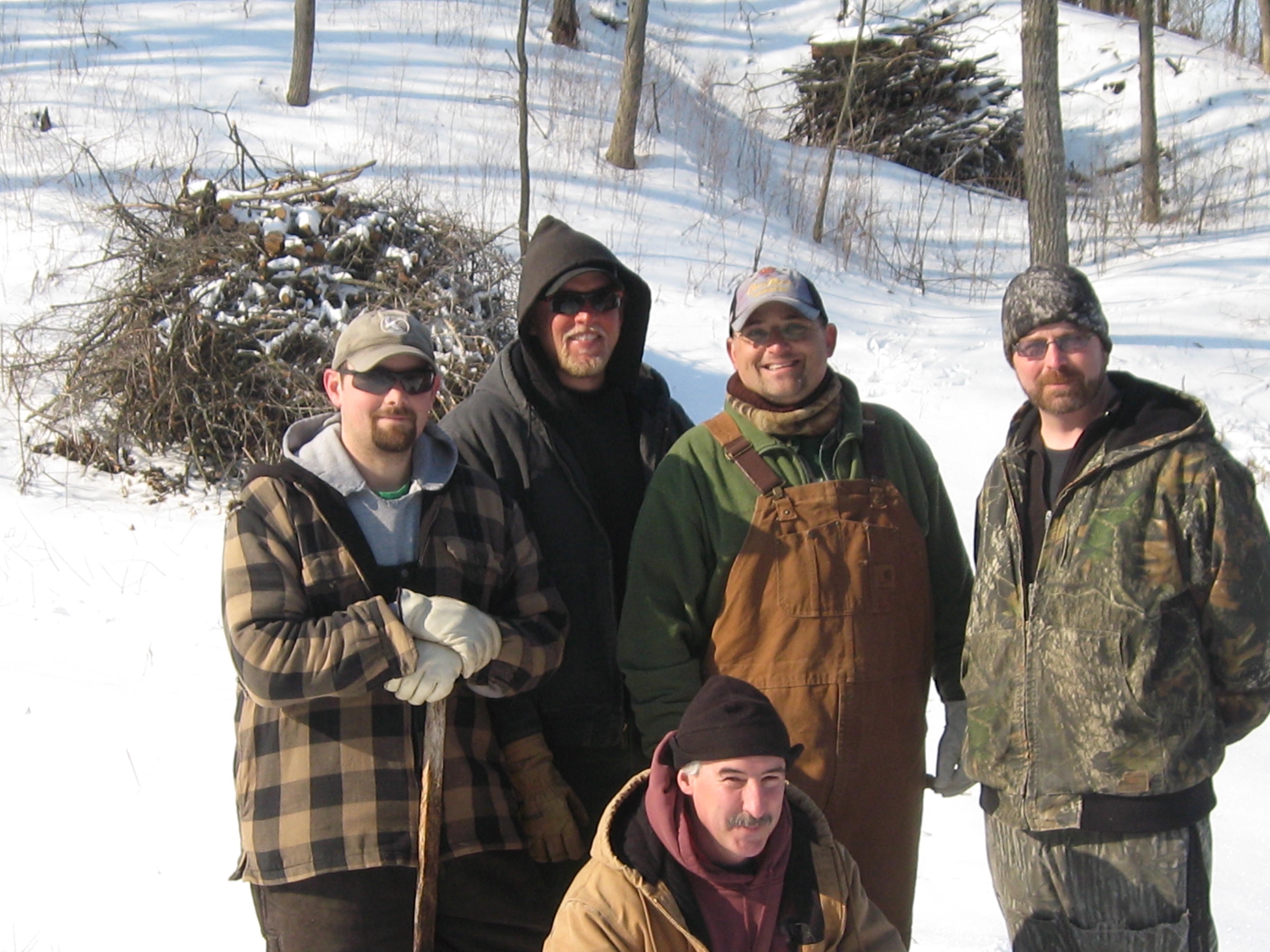
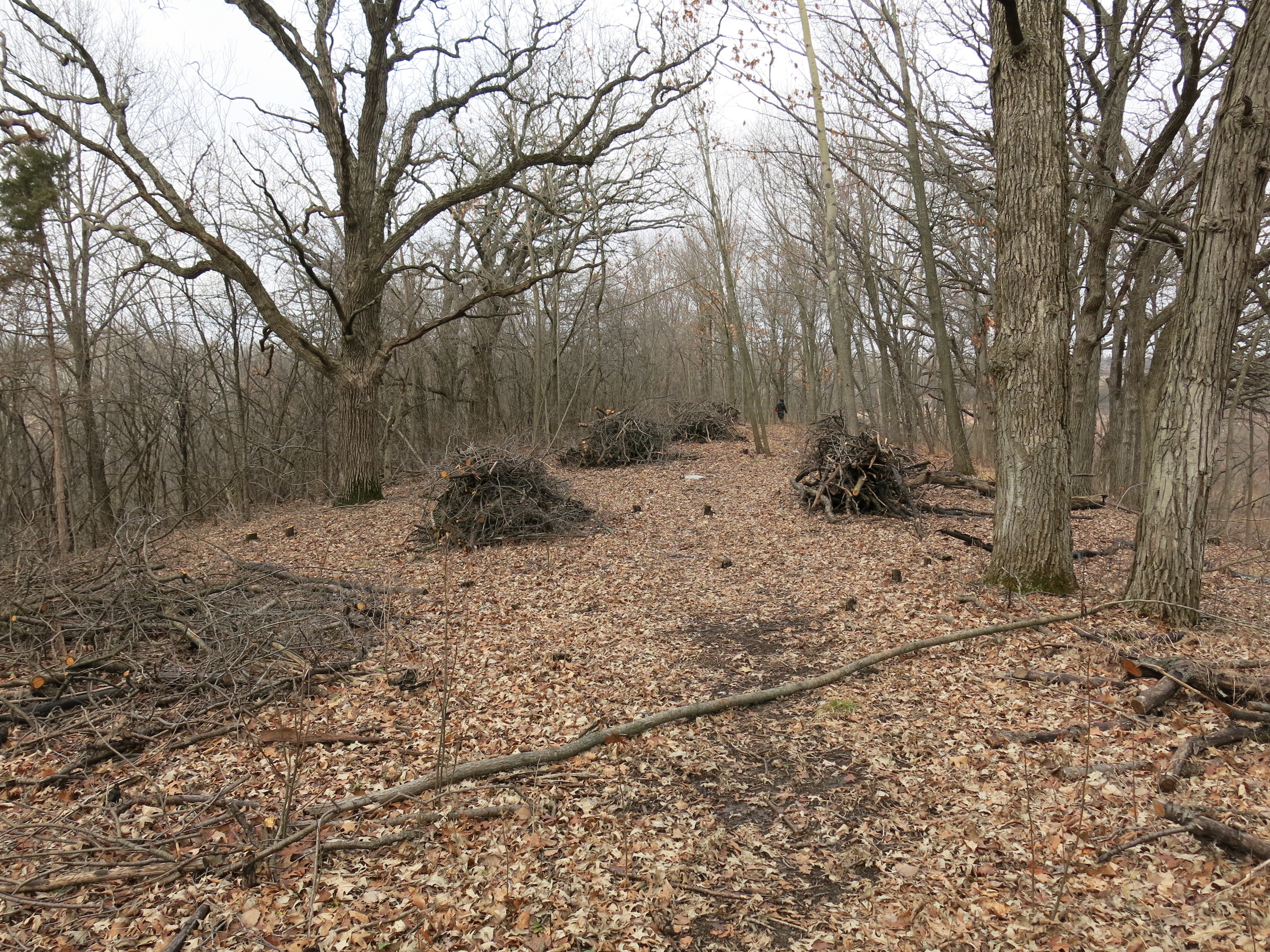
Andy and Lindsay joined me at the Ottawa Lake Fen SNA yesterday, December 27, 2015 and we lit our first brush piles of the season.  There was no snow cover so we avoided the brush piles that were nestled in the edge of the marsh and instead we lit piles that were well upland.  This worked out great as there were plenty of massive buckthorns on the hillside to cut and throw into the fire.  We had a safe and very effective first outing with fire on land this winter season.

In case you have not noticed the events on the front page of this website, I’m posting all of my volunteer workdays on a iCalendar which you can subscribe to by visiting the Volunteer page.    I’m really looking forward to the next State Natural Areas workday at the Bluff Creek SNA on January 9th.  Visit the State Natural Areas Volunteers DNR site to see their workday schedule and get on their mailing list.  You can also follow the action on Facebook at Southern Kettle Moraine SNA Volunteers.
IMG_6849

See you at The Creek!

The Shaman Santa

The Shaman Santa

Check out this ornament from Christmas Past

paulmozina's avatarScuppernong Springs Nature Trail

I didn’t sleep at all last night; I couldn’t stop my mind from trying to unravel the mystery that I had experienced.  Pati always encourages me to tell my “Santa Story”, which I got from reading Astrotheology and Shamanism Christianity’s Pagan Roots by Jan Irvin and Andrew Rutajit, and that is a good place to start to describe my “trip”.

The Amanita Muscaria mushroom grows in northern climates under fir, aspen, or birch trees. Pati and I found huge patches of it on Grand Island in Lake Superior and I even found one at the Indian Spring. The shamans in northern Europe watched the reindeer and noticed how much they loved this mushroom. They saw that, even more than the mushroom, the reindeer loved the urine that they, or their mushroom loving brothers, relieved themselves of. The shamans experimented and came to understand the dramatic effects this mushroom could…

View original post 1,739 more words

Friends of the Hartland Marsh

I learned the truth about The Buckthorn Man in Marlin Johnson’s research papers.  By the time I started blogging at the Scuppernong Springs Nature Trail website, a fog had drifted over the mind of The Buckthorn Man and he began playing fast and loose with the facts regarding when he started cutting buckthorn.  Maybe it wasn’t a fog, rather, it was just me giving into the temptation to inflate my reputation.   After all, cutting buckthorn for 20 years is more impressive than a mere 15, isn’t it?  Well, I had talked myself into 20 years and now I’m setting the record straight.

Marlin loaned me his research papers and documentation related to his role in the development and configuration of the Hartland Marsh into it’s current state, and I am scanning them and plan to publish the interesting items here.  Reviewing the papers related to his forming the Friends of the Hartland Marsh, this one got my attention:

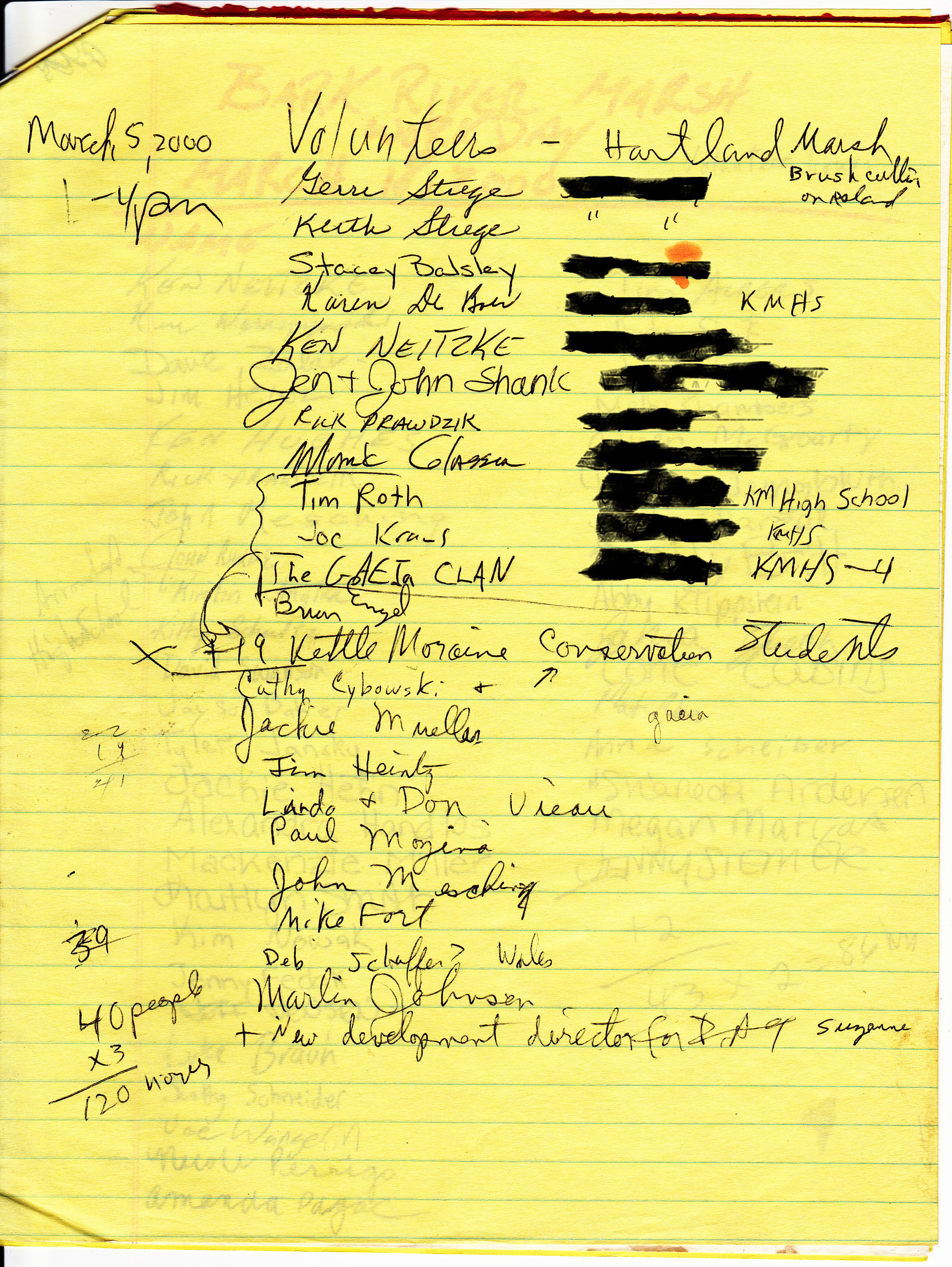
HartlandMarshWorkdayMarch5-2000Redacted

There it is: one of the earliest signup sheets in Marlin’s records for workdays on the John Muir Island (the first was February 6, 2000) and Paul Mozina and John Mesching were there.  How do I know that was the first time The Buckthorn Man used a chainsaw?  I distinctly remember John Mesching and I both popped the chains off our saws at the same time and — together — we figured out how to put them back on.  John was a chainsaw rookie too and he said at the time: “There, now you know as much about chainsaws as I do”.  And there is the corroborating evidence in Marlin’s notes from the first meeting of the Friends of the Hartland Marsh, which took place on July 15, 2000 at the Cottonwood Wayside, in which he said:

July 15, 2000 is going to be a historic day: It will go down in local history as the first meeting of the Friends of Hartland Marsh AND you will be known as a charter member!

and

I personally am taking on a project on the island. Restoring it to its former condition at time of settlement; Oak Opening or Oak Savanna. Large oak trees still exist on the island but brush has invaded and shaded out the prairie grasses and wildflowers. I want to restore the oak savanna by removing the brush and planting prairie seeds. 375 volunteer hours have already gone into cutting and piling brush. Still work to be done.

There you have it — The Buckthorn Man is a bullshitter.  On July 15, 2000 Marlin was referring to the work done since February 6, 2000 — the first of many workdays he coordinated on the John Muir Island.  That means I’ve been cutting buckthorn for 15 years, not 20!  I hope you will forgive me for falsely puffing up my reputation.  Although certainly not as dramatic a context as the one to which Patrick Henry refers to in this quote, it’s a good excuse to repeat his famous line:

For my part, whatever anguish of spirit it may cost, I am willing to know the whole truth; to know the worst and provide for it.

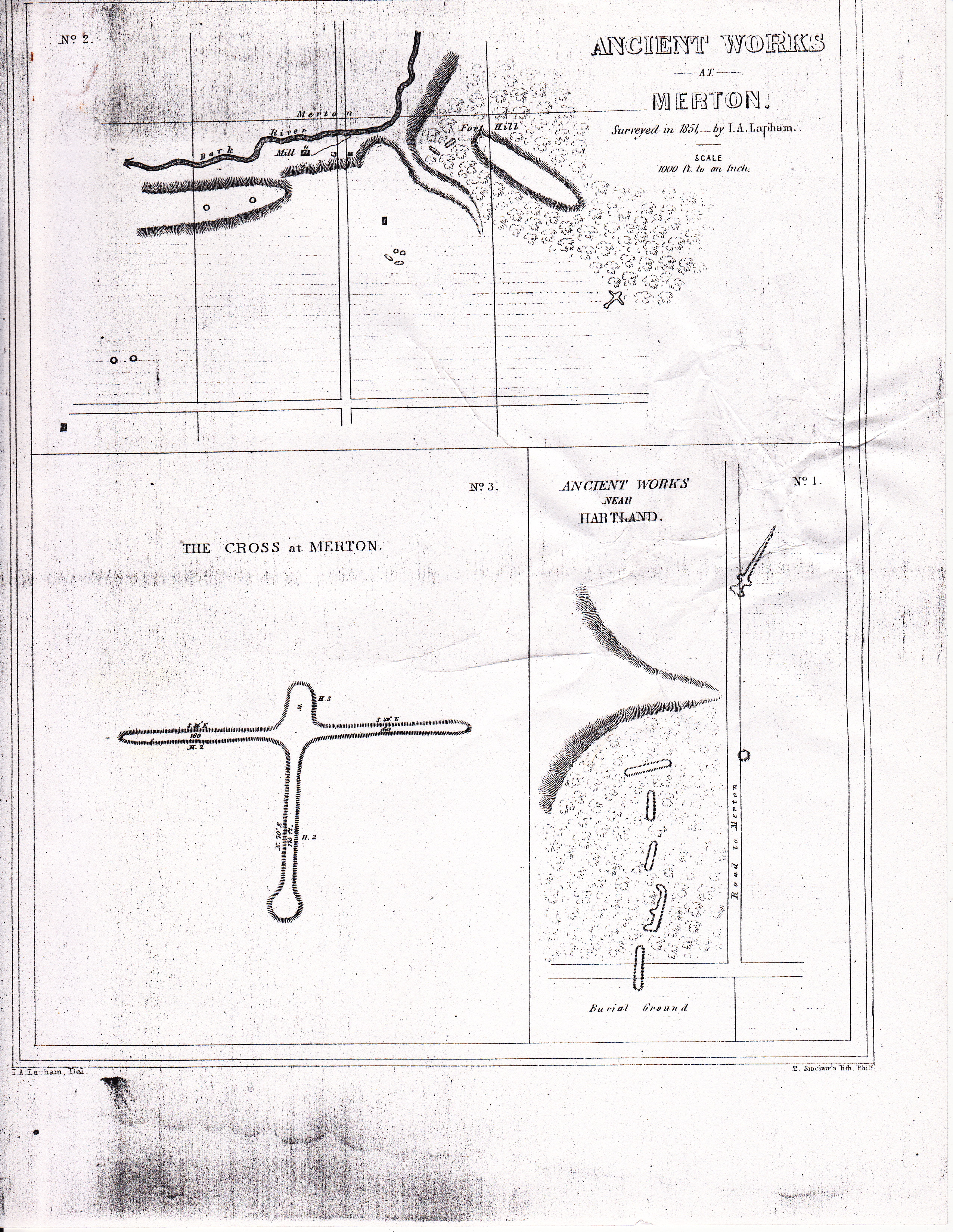
There is a lot of interesting material in Marlin’s papers and I’ve made a start with his archaeological research, including this sketch by Increase A. Lapham.

AncientWorksAtMertonbyIncreaseLaphamAnd this poetic gem he saved from John Parker, who, along with his brother Jim, built a homestead on “The Islands” (now owned by the Waukesha County Land Conservancy — thanks to Marlin’s efforts).

JohnParkerPoems

The Buckthorn Man could never fill Marlin’s shoes, but I am humbly going to try to bring the Friends of the Hartland Marsh back to life.  I have printed a new version of the Friends brochure and distributed them at the trailhead on Cottonwood Ave., and I plan on scheduling some meetings, either at one of the Village’s community meeting rooms or, following in the historic tradition of Marlin Johnson, at the Cottonwood wayside.  Marlin has lists of approximately 100 friends who I will be contacting to see if they are still interested in The Marsh.  Please do contact me if you want to be included in the Friends of the Hartland Marsh.  And checkout my new Friends page on this site.

Our friends at Integrative Restorations, LLC have been hard at work at The Marsh and they did some very nice clearing and brush piling in the area marked in blue on the map below.  They were not able to burn the piles because of the lack of snow cover. HartlandMarshRestorationmap12-20-2015

I am healed up nicely from surgery for Dupuytren’s Contracture.

If want to know what The Buckthorn Man is made of, check out these pics, but, I’m warning you, they are graphic (opening, extracting1, extracting2, extracting3, extracting4, closing)

I’m very happy to get back to work and did some brush clearing at The Marsh last Sunday in the little area marked in red on the map above.  Here are before and after shots:

IMG_6827 IMG_6833


And, I got out to The Springs yesterday to harvest some black locust firewood for my friend Scott.

See you at The Marsh!

SEWTU: Trout Stream Therapists

SEWTU: Trout Stream Therapists

It’s becoming a tradition for Trout Unlimited Southeastern Wisconsin Chapter #078 to close out their workday schedule for the year at the Scuppernong River.  The Buckthorn Man documented a little of the history of this great organization after their last therapy session on the river back on December 6, 2014.  These guys are passionate about trout fishing and dedicated to improving the health of the local trout streams.

I met the DNR River Doctors back in February 2013.

IMG_0828

From the left: Dr. Krall, Dr. Notbohm, Dr. Gospoderak, Dr. Heussner and Trail Boss Don Dane in front

Ok, they aren’t really doctors, they’re “only” Fisheries Biologists and Technicians, but metaphorically speaking, they do heal trout streams and they shared their skills with the willing and able volunteers from Trout Unlimited — transforming them into “Trout Stream Therapists.”

The headwaters of the  Scuppernong River are still recovering from the human interventions that created THE PONDS OF THE SCUPPERNONG.

B097164-R1-06-7_007Submerged for over 120 years, the original river bed was all but lost.  Immediately below the upper pond, shown above, was another embankment that created the lower pond, the site of a sawmill, cheese factory and finally, a hotel.  Downstream from there, where the “big bend” points the river west, they built a goldfish farm.

It’s a long journey back to Class I Trout Stream for the Scuppernong River, and the kind of work that the DNR coordinated with Trout Unlimited last Saturday is slowly but surely going to: “fix the water”, as Tracy Hames, Executive Director of the Wisconsin Wetlands Association, would say.  As of now, the headwaters of the Scuppernong River is still a Class II Trout Stream, but we have seen a lot of habitat improvements made over the last couple years and the fish counts improved in 2015.

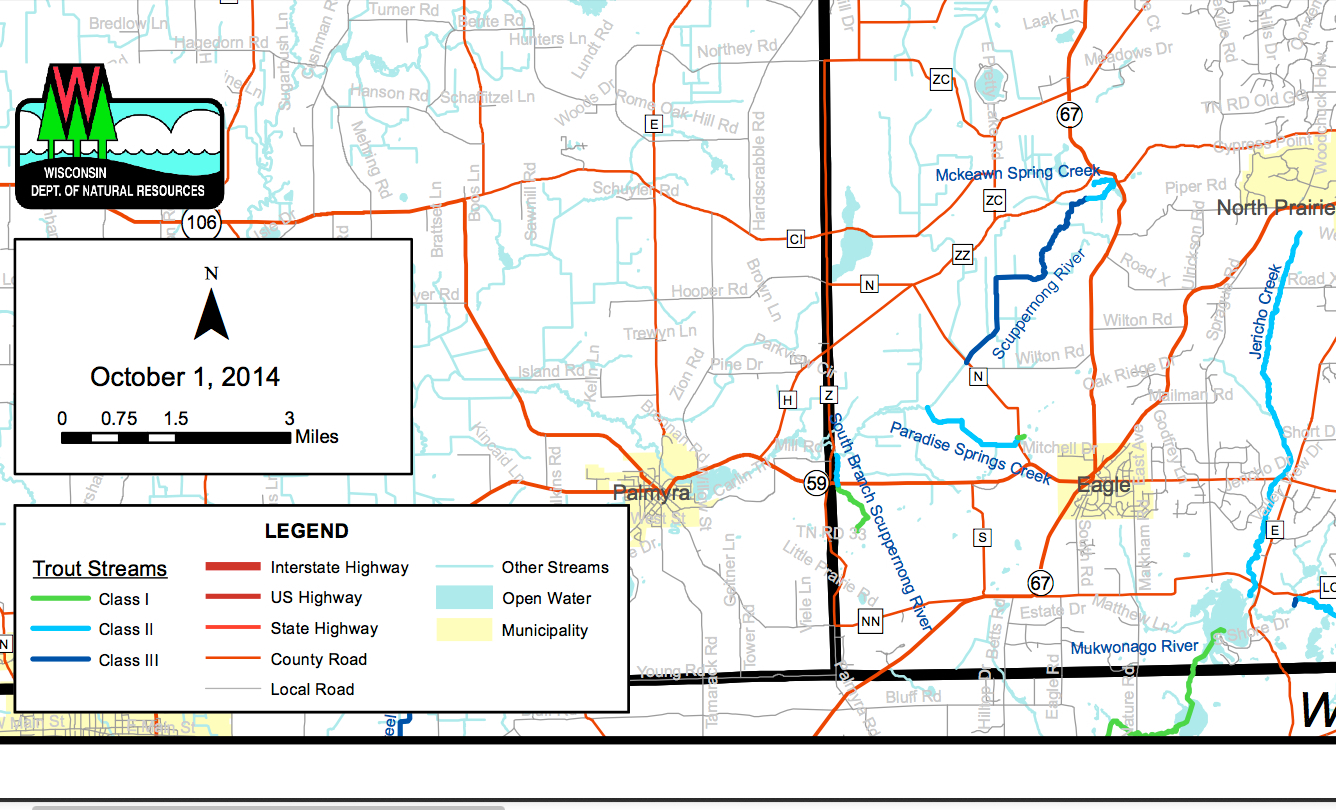
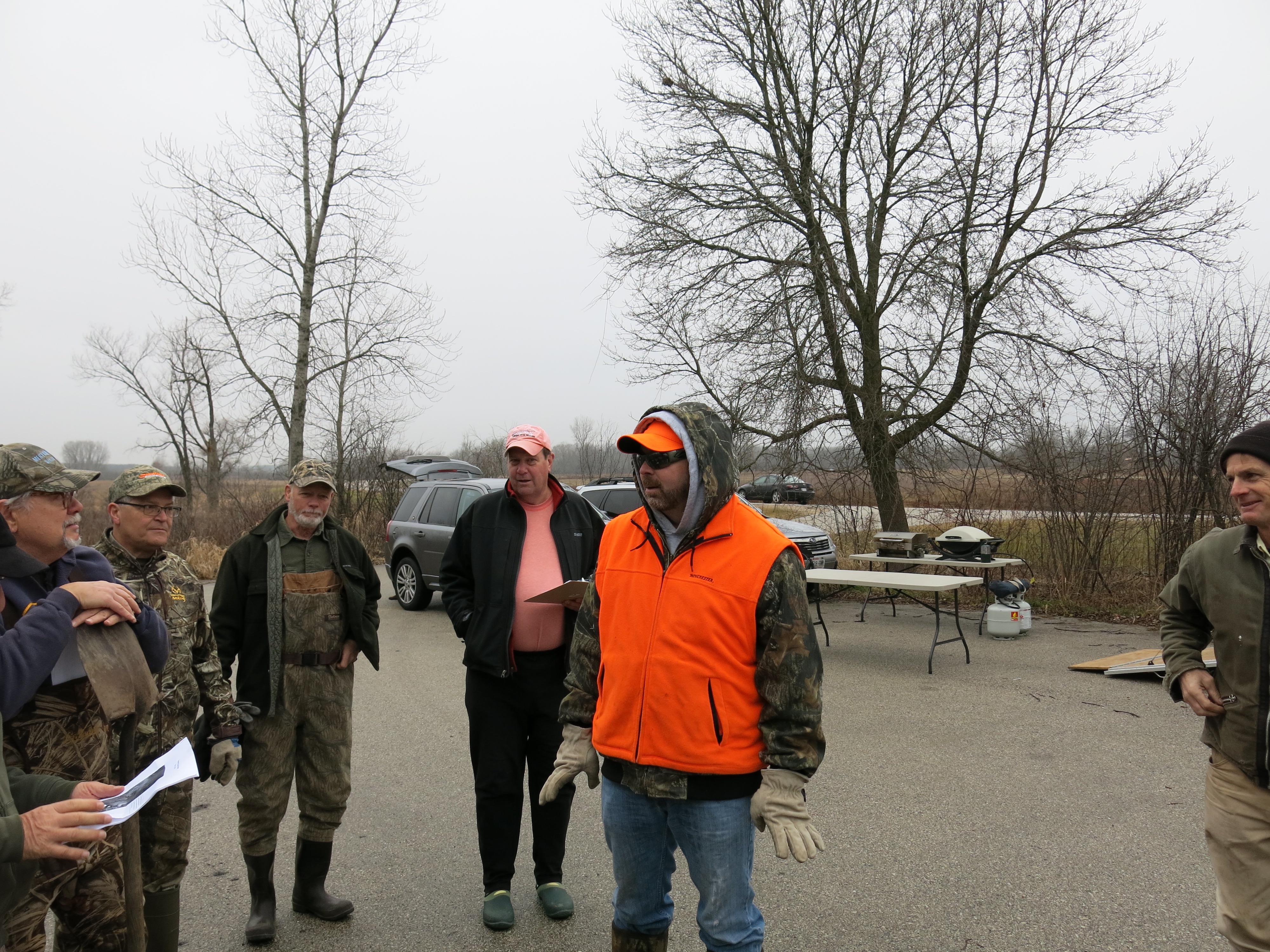
ScuppernongRiverTroutClassificationFisheries Biologist, Ben Heussner, identified 12 work sites and explained the plan for the day.


IMG_6680IMG_6682ScuppernongRiverWordayOverviewMy right hand is still healing from surgery for Dupuytren’s Contracture (Ben and “Gus” had offered to straighten it out for me), so I enjoyed shadowing Ben as he visited the work sites.  I’ll document them in the order that we encountered them that morning, including video, and before and after pictures for each site.

#impromptu

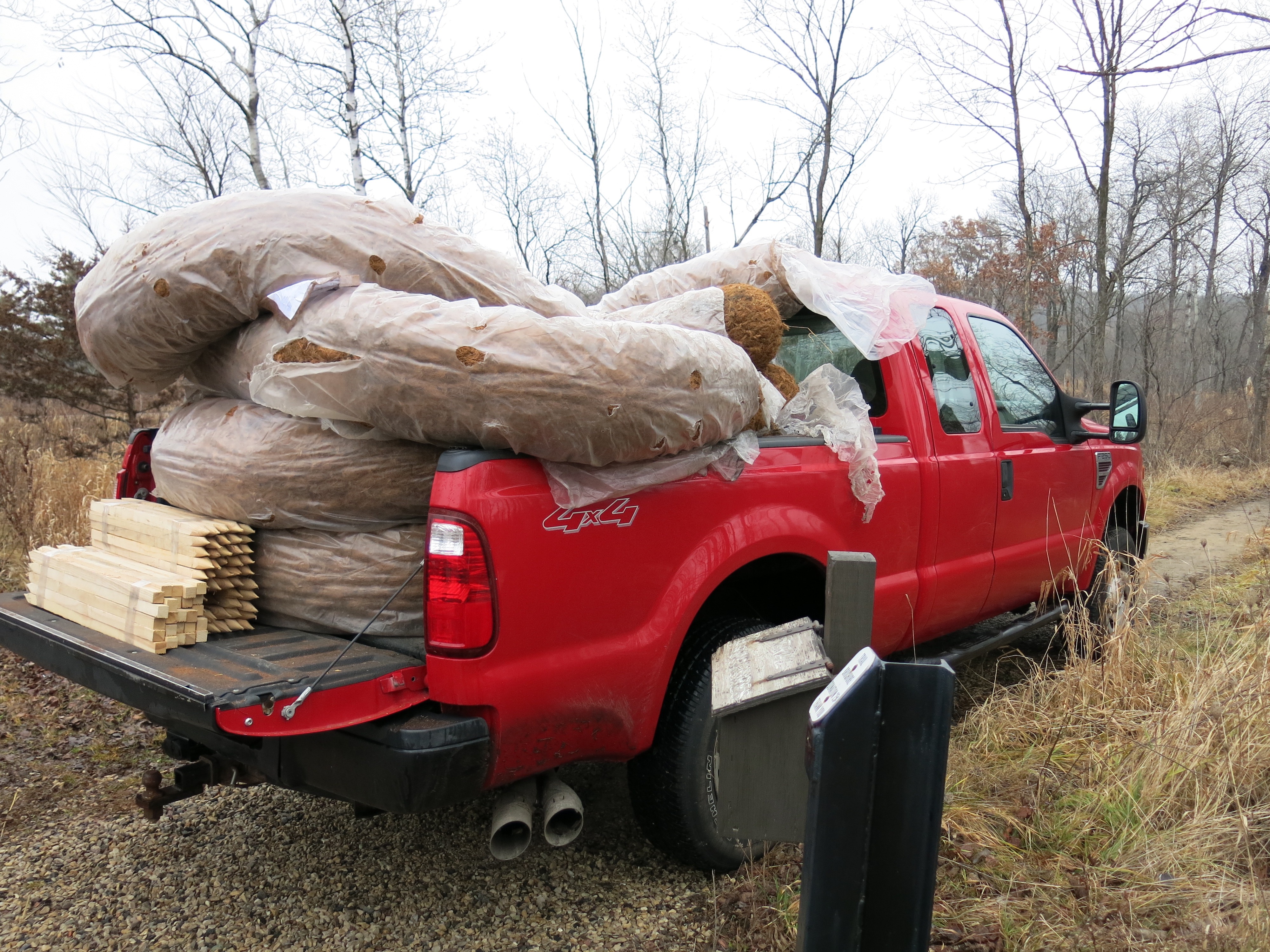
We did not have enough biologs to accomplish all of the original goals and Ben and Gus made the call that it would take too long get another load from off-site.  Below, Josh and Gus saw an area just upstream from the gaging station bridge, that was not on Ben’s plan, to do a little therapy.

#8

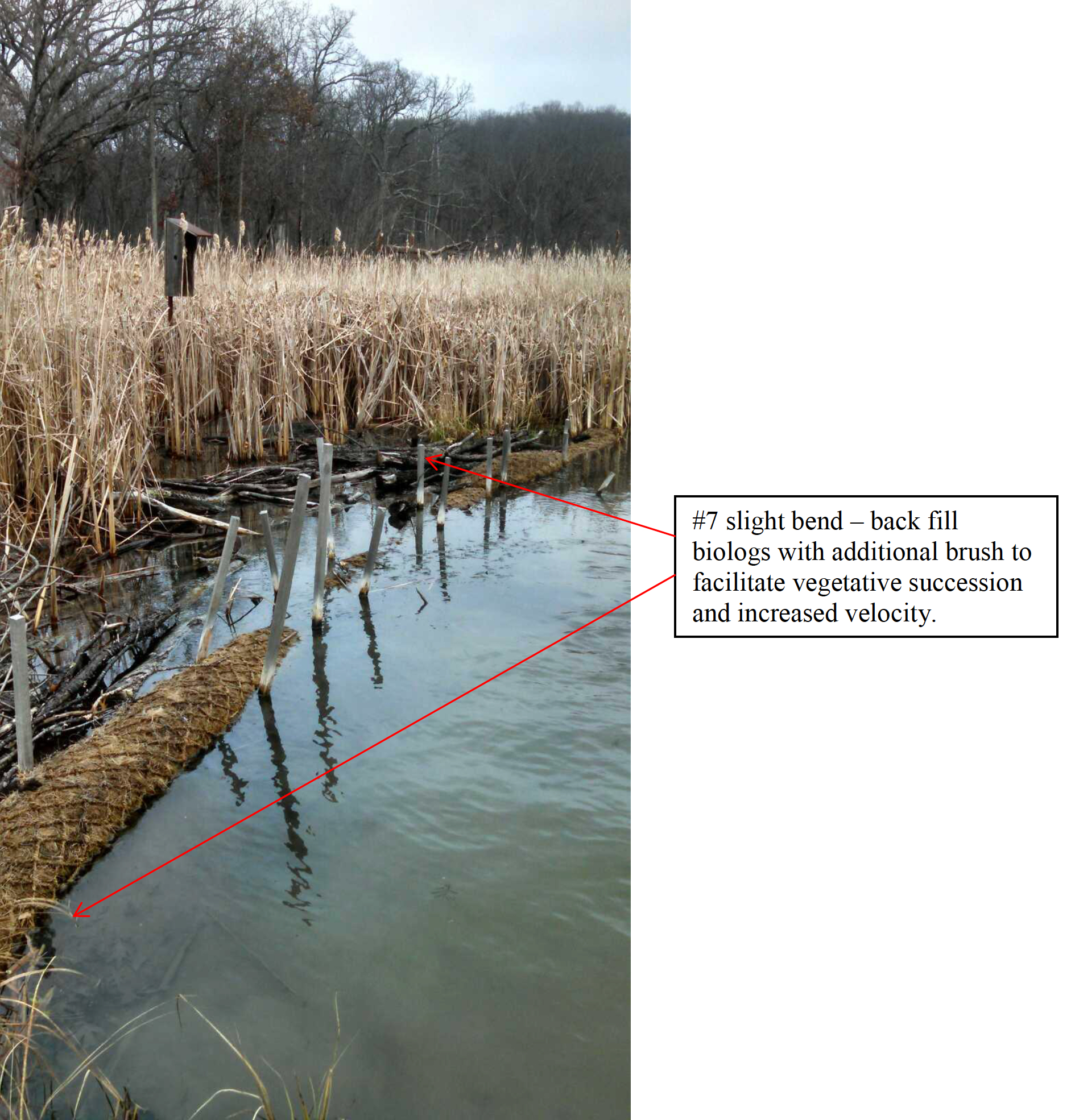
#6 & #7 We did not get to.

Since The Buckthorn Man cut all the brush, it’s pretty slim pick’ins to fill in behind the biologs.  Ben suggested we wait for winter and use a sled to drag brush over from some distant piles.

ScuppernongRiverWorksite#6ScuppernongRiverWorksite#7

#5

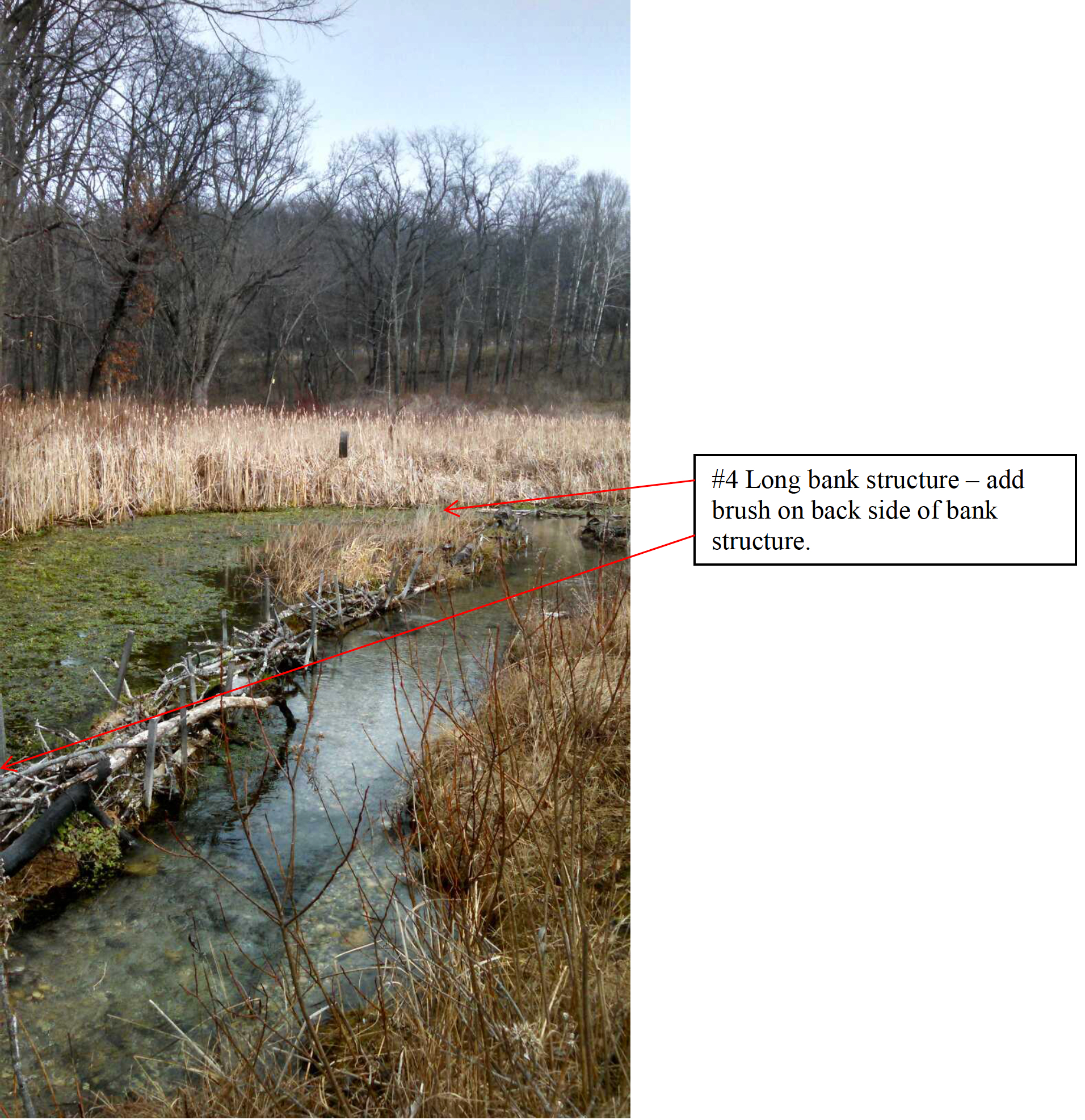
#4 We did not get to

ScuppernongRiverWorksite#4

#3 The Big Bend

#2

#1 The Hotel Springs

#9 Downstream from gaging station bridge

A brush piling brigade!

#11 The Marl Pit Bridge

We celebrated the last workday of the year with another classic Trout Unlimited brat fry.

Thanks again to everyone who participated.  We got a lot done — it was a great day.

See you at The Springs!

NAWCA Grant Proposal for Ottawa Lake Fen SNA

Eric Tarman-Ramcheck has been on his new job as a Conservation Biologist with the Wisconsin DNR for over a year now and he is definitely making his impact felt.  Eric works out of the Kettle Moraine State Forest — Southern Unit and he is as handy with a pen as he is with a chainsaw.   He recently submitted a North American Wetlands Conservation Act (NAWCA) grant proposal for the Scuppernong River Habitat Area and the Ottawa Lake Fen State Natural Area.

NAWCA 2015 Scuppernong River HPA & Ottawa Lake SNA Restoration - Phase 1 Survey RouteIf you have been following the adventures of The Buckthorn Man, you will recall that I participated in the 2013 Phase IV NAWCA grant for the Scuppernong Springs Nature Preserve and the Scuppernong River Habitat Area.  The Buckthorn Man was on the hook for $37,500 worth of labor at $15/hour and, along with help from my super friends, we actually contributed over $80,000 worth of labor over the 2 year grant period.  I’m proud of our contribution and very excited that Ben Johnson and Lindsay Knudsvig have joined me in committing our labor to generate matching funds as part of Eric’s new NAWCA grant proposal.  Visit the Volunteer page to learn more about how you too can make a contribution and subscribe to my iCalendar to get notified of all the upcoming volunteer workdays.

I recently published the Ottawa Lake Fen SNA Volunteer Project page on this site, so check it out for more details about the history of the land and the work done so far by volunteers and the Kettle Moraine Land Stewards, LLC.

You are probably wondering what’s up with the thick black line on the map above.  Ben Johnson called me last week and said his brother, Abe, was in town and we should go investigate the NAWCA grant area.  That was a brilliant idea, and just my speed, as I’m still healing from surgery on my right hand for Dupuytren’s Contracture.  We headed due west from the dog trial grounds parking area and made a loop over to the western boundary and then south and around Ottawa Lake.

Deep in the buckthorn thicket.

I experienced a happy coincidence on November 10, when I drove out from Milwaukee to cut some brush (one of my last workdays before the surgery) on the north end of the loop trail at The Springs, and noticed a plume of smoke rising near the visitor entrance to the Ottawa Lake recreation area.  Burn boss, Don Dane, and his DNR crew managed to execute a few prescribed burns this fall season, and I caught them doing one in area #2 marked in green on the map above.  I took a series of 4 videos capturing the conflagration that you can watch via the youtube playlist below.

IMG_6340

See you at The Fen!

The Ides of Marsh

Version 2The fall of 2015 marked a turning point in the history of The Marsh: the return of The Buckthorn Man.  After watching the buckthorn resuming it’s domination over the last four years — and all of my hard work going for naught — I was inspired by my friends at the Ice Age Trail Alliance, the Village of Hartland and the Waukesha County Land Conservancy (the Hartland Marsh Restoration Committee) to pick up the torch again, and try to save The Marsh.

Marlin Johnson has championed the restoration effort since around 1990 and over the years he has played a key role in preserving and protecting this primary ecological corridor and natural habitat area in the Village.  He recently shared all of his records with me and I will be scanning them and posting them here in the near future.  It’s all there: fish counts, land acquisitions, archaeological sites, glacial history, and contact information for all of the Friends of the Hartland Marsh who worked with him.  Don’t be surprised if you get a call or letter from The Buckthorn Man: I am taking over coordination of the Friends of the Hartland Marsh and will soon have a new version of the brochure stocked in the Ice Age Trail Alliance trailhead map boxes on Maple and Cottonwood Avenues.

Please do check out the new Hartland Marsh page on this site for a who, what, where, when, why and how breakdown of the restoration effort.

In 2007, when the Waukesha County Land Conservancy acquired the 27 acre Minogue property that straddles the Bark River, Marlin asked if Pati and I would like to be the caretakers of this property.  Since then, it’s felt more like home than the rest of The Marsh, and that is the first place where I resumed my work.  Thousand of young buckthorn were thriving on the old Parker Brothers homestead site and I began cutting and poisoning them.  Over the course of 4-5 workdays I cleared the area marked in red on the map below.

HartlandMarshRestorationFallWork

On September 23, 2015 Lynn, Cindy and other members of The Hartland Business Improvement District met The Buckthorn Man at the Cottonwood Wayside for a discussion about The Marsh followed by a short tour.  I really appreciated the opportunity to share the beauty of The Marsh with members of the community who had yet to experience it.  I’m hoping to partner with The Hartland BID in the future restoration efforts!

IMG_6064

On October 17, 2015 The Village of Hartland became the first Ice Age Trail Community partner and there was a very nice celebration at Nixon Park including coffee and some outstanding cake.

IMG_6179

With winter fast approaching and hand surgery scheduled (followed by 5-6 weeks on the bench), I was eager to capitalize on the new spirit of enthusiasm in the Village for The Marsh, and I scheduled a workday for November 14, 2015.  Our goal was to continue the brush clearing that the DNR did for us back in March along the hillside below the Cottonwood Wayside.  It’s the area marked in blue on the map shown above.   We had great weather and an outstanding turnout.  So unlike the Ides of March, the future bodes well for the Ides of Marsh.

See you at The Marsh!

Return to My Shangri-La

One of the perks The Buckthorn Man gets for cutting brush in the Kettle Moraine is free camping at Ottawa Lake.  My friends in the DNR, who work out of the Kettle Moraine State Forest — Southern Unit, have always supported me with tools, herbicide, advice, and most importantly — a shared love for the land and commitment to do the best we can with scarce resources.  They forego a little camping revenue to thank me for volunteering and I do appreciate it.

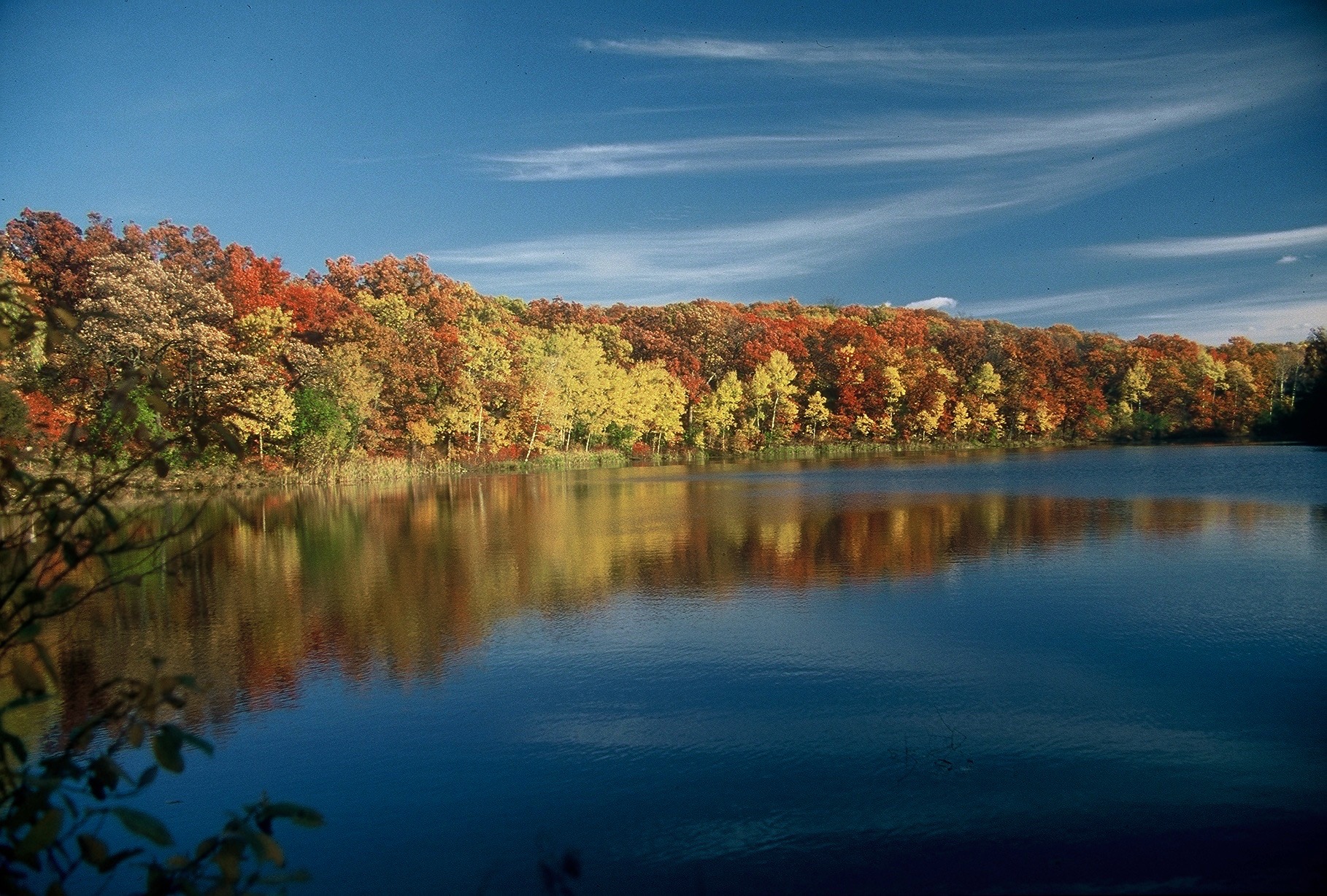
There are two walk-in sites at the Ottawa Lake Campground (#335 and #334) and they are the prettiest camping spots around.  The view from #335, My Shangri-La, favors Ottawa Lake, while the view from #334 looks out over the Ottawa Lake Fen State Natural Area.  I explored the east shoreline of Ottawa Lake on that first camping adventure in the Fall of 2013 and realized what a beautiful oak woodland was there, albeit infested with huge, old, gnarly buckthorn.  Over the last two years, with a little help from my friends, we have cleared the buckthorn from the beach, north along the east shore, and all the way around to the tamarack grove on the northwest side of the fen.

Visit my old Scuppernong Springs Nature Trail website, here, here and here for more stories about My Shangri-la.

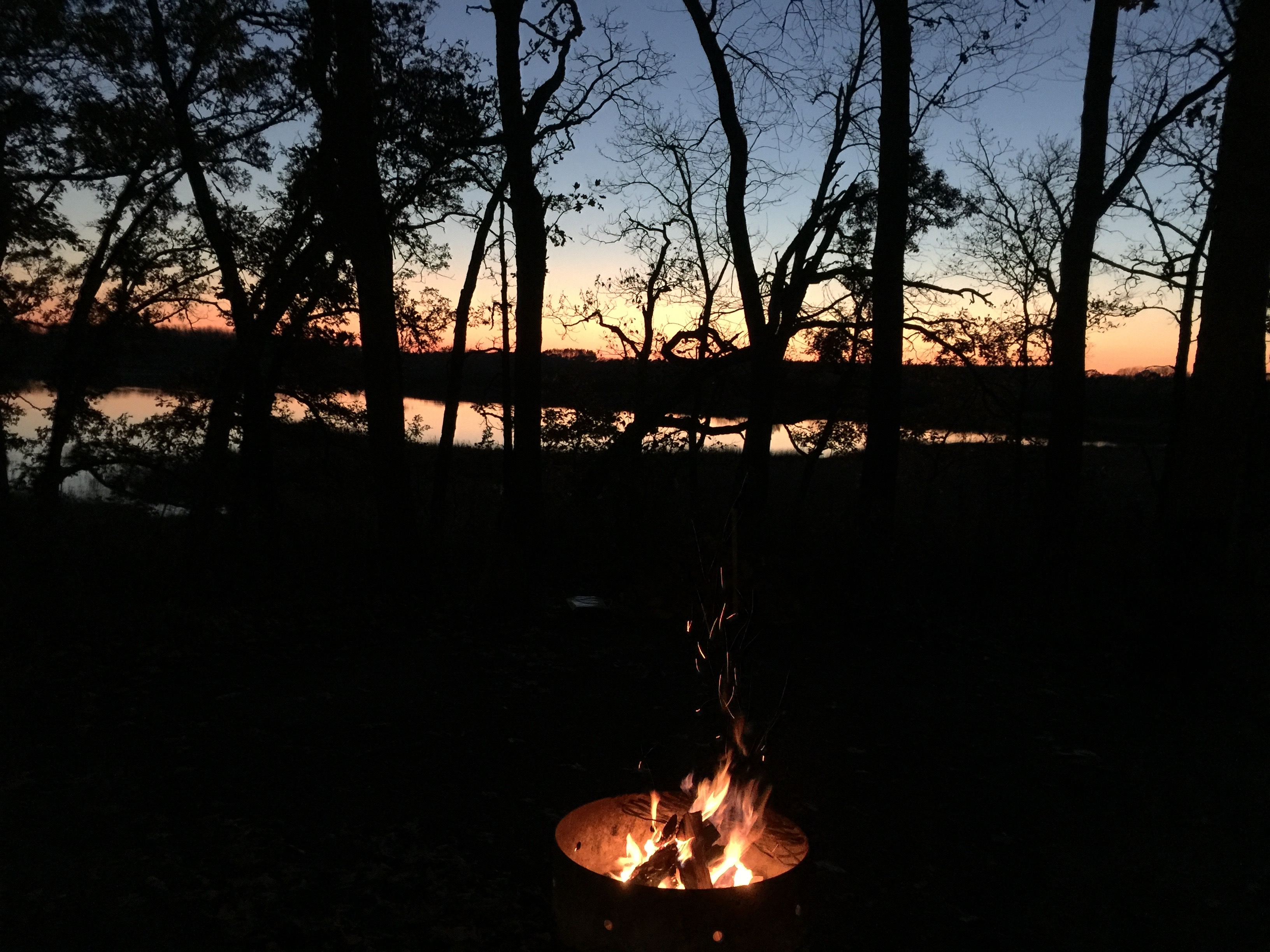
Things haven’t worked out quite the way I had planned this year, but I did manage to get a week of camping in at site #335 at the end of October.  Here are a few images from that visit.

Lindsay Knusdvig has helped me many times at the Ottawa Lake Fen SNA, and he joined me again during my recent camping trip to help finish cutting the last stretch of buckthorn on the east shore of Ottawa Lake.  Thanks Lindsay!

Keeping the home fires burning

Keeping the home fires burning

See you at The Fen!

Fighting the Good Fight

Buckthorn is resilient, stubborn and persistent — kind of like The Buckthorn Man!

I’ve been watching the buckthorn stumps resprouting at many of the locations where we cut last Winter, and the Winter before for that matter.  I always try to get some poison on the stumps right away — I prefer to kill them dead immediately — if I can.  Some professionals prefer to ignore the freshly cut stumps and instead, plan time in their schedules in the late Spring or early Summer, when the cut stumps have bushed out with fresh growth, to hit them with poison in the form of a foliar spray.

There are challenges to applying poison to cut stumps in the dead of Winter.  You’ve got to have some kind of anti-freeze in your mix to keep your spray bottles working, or, keep them near a fire when you are not using them.  And, depending on the snow conditions, you are likely to miss a lot of the smaller stumps even if you take your time.  Nevertheless, I think poisoning the freshly cut stump is the best way to kill the buckthorn and the method that results in the least collateral damage i.e., when foliar spraying and over-spray lands on native plants near the buckthorn resprouts.  I welcome your comments and opinions on the pros and cons of these two approaches (or the neglected aspect if you have one.)

Well, that being said, there was a lot of stump resprouting in areas that we cut last Winter.  In some cases, the sawyers simply chose not to spray the stumps, despite pleading to do so from The Buckthorn Man, and in other cases, the stumps were missed, or the poison was applied but failed to do it’s job.  When I returned to work at The Springs last September, I prioritized the areas where there were a lot of buckthorn resprouts and recut and poisoned the stumps.  There were also many fresh buckthorn seedlings to cut as well as black locust.  Here is a map of the areas I focused on this Fall that will be discussed in the galleries that follow:

SSTrailMapReSproutsCutThis area is down the main trail heading counter clockwise on your left.

From there I moved to the North end of the loop trail.  I think recutting these stumps is a must to facilitate a successful prescribed burn.

This area is just east of the marl pit factory ruins.

Along the cut-off trail.

On the North loop

Believe it or not, I had doubts about posting anymore of my work online and I didn’t bother to take before and after pictures on many occasions.

See you at The Springs!

Renovating The Springs

Hello again.

It’s been a while since we last heard from The Buckthorn Man.  I’ve been laying low, or maybe laid low — a little of both I think.  If you recall, I spent over 3 months during the late Spring and early Summer working on mold remediation and it may have been enough to save the house, but, I’m not sure about the home.

I traveled bit and finally got back to work at The Springs in September with a sense of urgency.  The symptoms of Dupuytren’s Contracture in my right hand got much worse over the last year and, with surgery scheduled in November, I tried to get a few projects done that have been on my mind for a couple years.

IMG_2023IMG_2081The surgery was a success and the scar will be good for many jokes about “the time I tried to stop my chainsaw with my bare hand.”  I should be back to work in a few weeks.

I wanted to be conscious during the operation and practiced a lot of bio-feedback using Heart Math and relaxation via Transcendental Meditation so I could stay calm and aware during the procedure.  It was very interesting and I got a good look inside before they stitched me up.

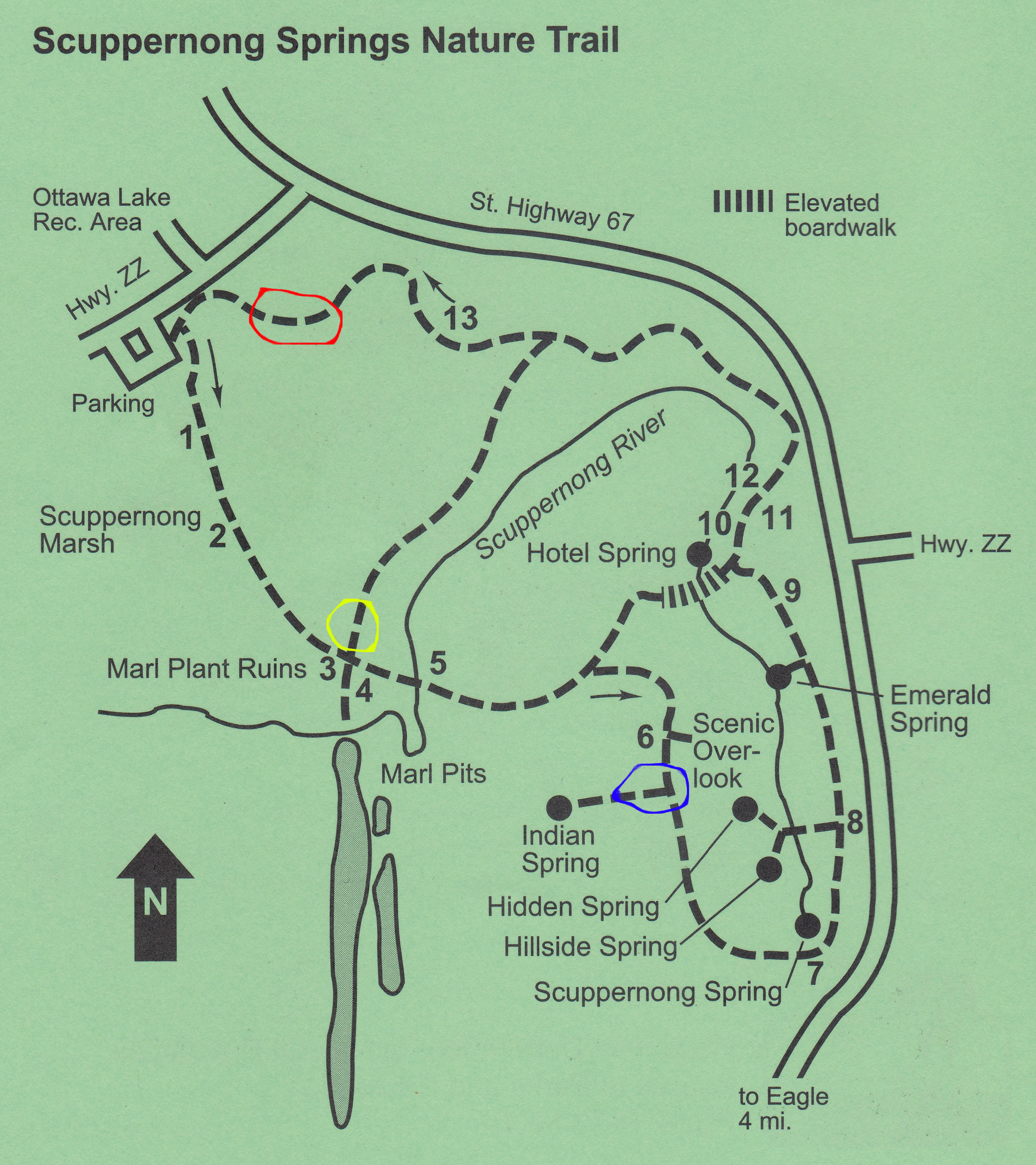
The first thing on the agenda was to build a new bridge over a drainage canal to make it easier to access the cut-off trail from the main trail.  The area is circled in Yellow on the map below.

SSTrailMapFall2015ProjectsI hope you like the Gallery feature of the new website.  Check out the story-line in the captions.

Next up was the little spur trail down to the Indian Spring that looked more like a gully (see the Blue circled area on the map above.)  Rainwater was collecting on the trail above the spur trail intersection and washing the sand out.  I did this project in two days: installing two water bars above the junction to divert the water off the trail and then, installing steps and water bars on the spur trail.

I have been wanting to lift this boardwalk out of the muck for years (see the area circled in Red on the map above.)  I was really inspired by the work that Ben Johnson led last year when we raised two boardwalks up out of the mud (read here and here) and I called on Ben again, and my old buddy Lindsay Knudsvig.  We had a great time!

Well, I hope you like the new site.  I won’t be posting much at the Scuppernong Springs Nature Trail anymore.  This is my new home, so please do click the Follow button on the main page to get email notification when new stories are posted.

See you at The Springs!

The River Rats

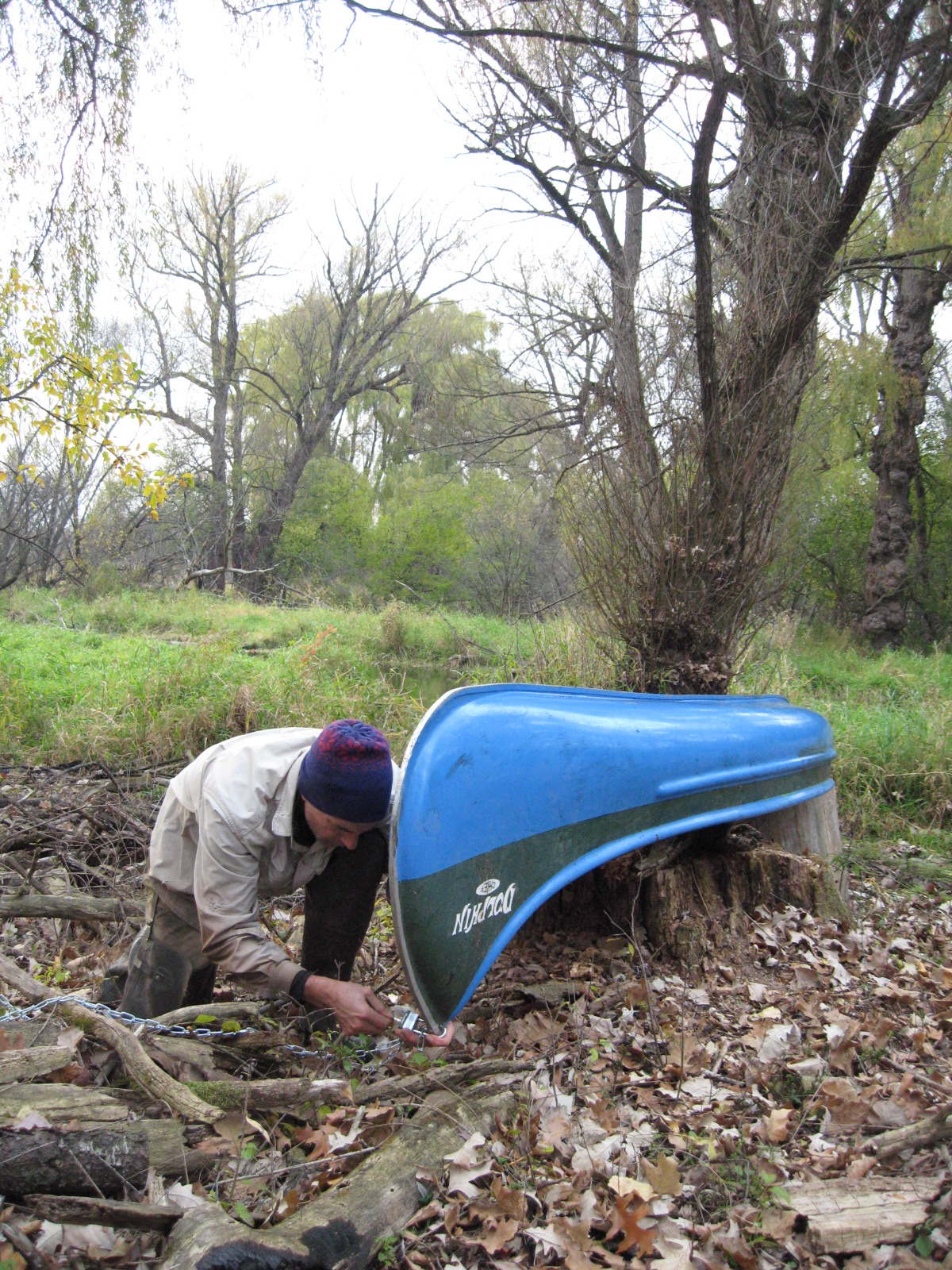
It was meant to be.  The Blue Dolphin canoe, pocked with holes and abandoned at a DNR boat launch, was destined to become the Bark River search and rescue boat.  Mike Fort connected me with Jay, who works with the DNR at Lapham peak, and who had been storing the boat in his backyard for years, and Pati and I lashed it atop her subaru and brought it home.  It was soon refurbished and christened in the tannin brown waters of the Bark River.

IMG_0864The long neglected Bark River was crisscrossed by huge downed trees, choked with thick floating mats of duck weed and festooned with the refuse of the Village of Hartland.  My good friend, Mark Mamerow, is a seasoned canoeist and I was lucky to have his stable hand at the stern.  IMG_1701

We took many a trip down the Mighty Bark in the Blue Dolphin with chainsaw, chest waders and garbage bags and, slowly, cleaned up the river and made it navigable again.  I’m looking forward to the “river rats” return to the Bark in 2016 — it’s been a while and I wonder if the river is still open all the way to Lake Nagawicki.

You might want to get a bird’s eye view of the river before we take you up close in this gallery.