Thanks for following the adventures of The Buckthorn Man! I’ve been keeping a relatively low profile lately compared to the borderline compulsive level of activity seen in the past, but my head is always in the game. I want to thank all of you who have contributed financially to support my efforts — it means a lot to me! And thanks to all of the volunteers who share my passion for preserving our beautiful Kettle Moraine landscape.
Pati and I took some time off from preparing for our trip to South Africa to visit a good friend up in Gurney Wisconsin. The waterfalls on the Potato River (on the left below) and the Black River (on the right) were spectacularly scenic.
 I memorialized the trip with pictures and video accompanied by the sparkling brilliance of Jimi Hendrix’s May This Be Love.
Last Saturday I joined the Southern Kettle Moraine State Natural Areas Volunteers at the Bluff Creek West SNA for the last brush cutting workday of the winter season. I stopped at the Scuppernong Springs to get some drinking water on the way there.

State Natural Areas Program
State natural areas (SNAs) protect outstanding examples of Wisconsin’s native landscape of natural communities, significant geological formations and archeological sites. Encompassing over 380,000 acres, Wisconsin’s 675 natural areas are valuable for research and educational use, the preservation of genetic and biological diversity and for providing benchmarks for determining the impact of use on managed lands. They also provide some of the last refuges for rare plants and animals.
The Bureau of Natural Heritage Conservation is responsible for managing the SNAs.
Natural Heritage Conservation staff work with citizens, private landowners and businesses to track, assess and manage nongame species; provide regulatory protection to endangered and threatened species; manage State Natural Areas to preserve the best remnants of Wisconsin’s original landscapes; and consult with other DNR partners and private landowners to help them manage their land to help maintain Wisconsin’s unique plants and animals and special places.
The program sounds great, and it is, the problem is that it is woefully underfunded. It’s akin to a fire department showing up at raging fire with hand pumps and backpack sprayers — it’s just not enough! The Natural Heritage Conservation program’s 2015 annual report shows a budget of approximately $5.5 million. I made the case during my acceptance speech last year at the Wisconsin Invasive Species Council‘s “Invader Crusader Award” that shortchanging our Natural Heritage is unconscionable.
How do we persuade the powers that shouldn’t be to reallocate funds from the military-security-industrial complex to protecting our natural resources?
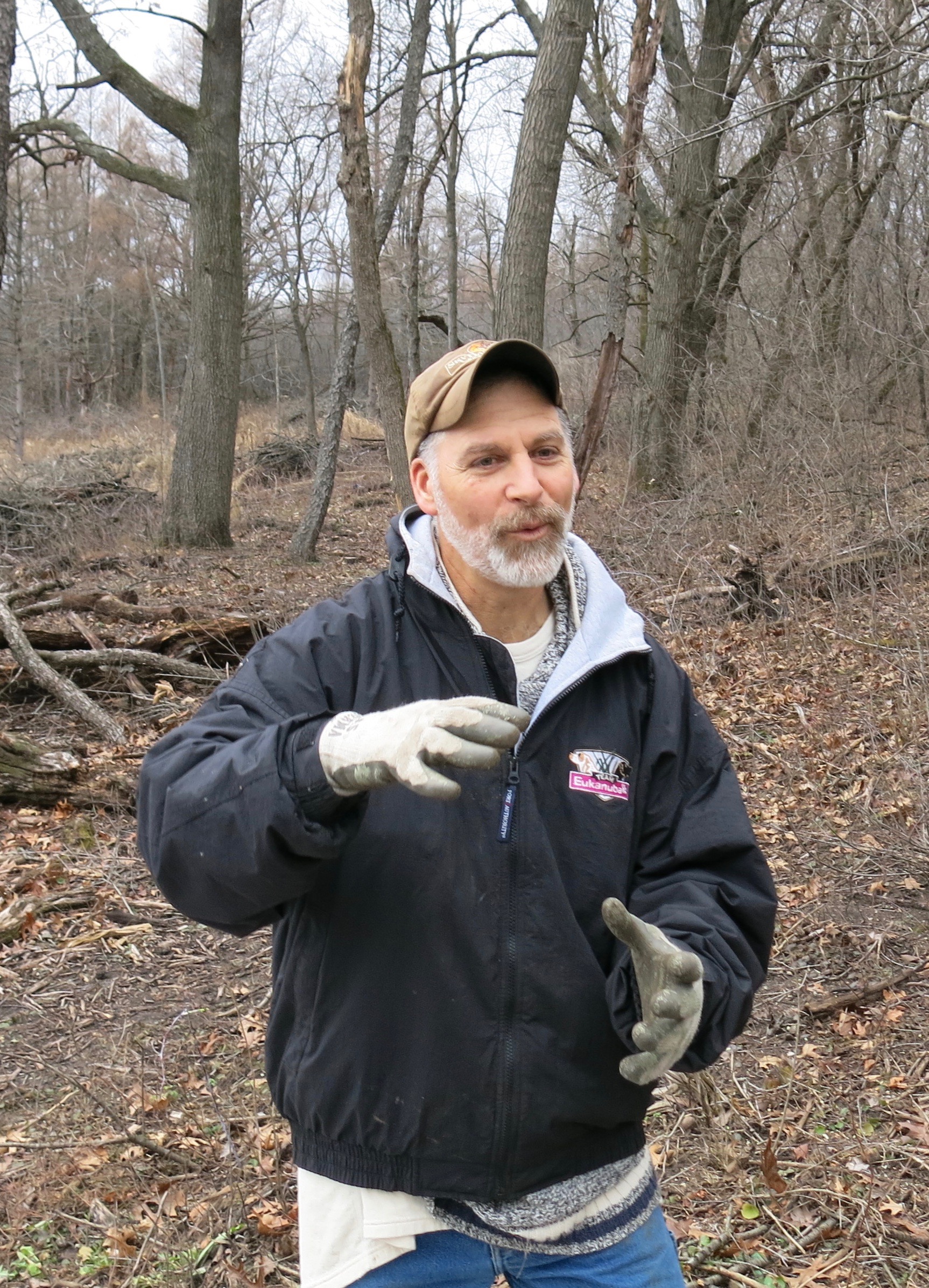
My frustration with the current state of affairs boiled over at the start of the Bluff Creek West workday when The Buckthorn Man let loose a mini-rant. I hope my outburst did not ruin the day for all of the volunteers present.

Jared Urban, DNR Conservation Biologist, explains the goals of the workday.
 Jared started with an overview explaining that we would divide into three teams to cut, treat and pile buckthorn.
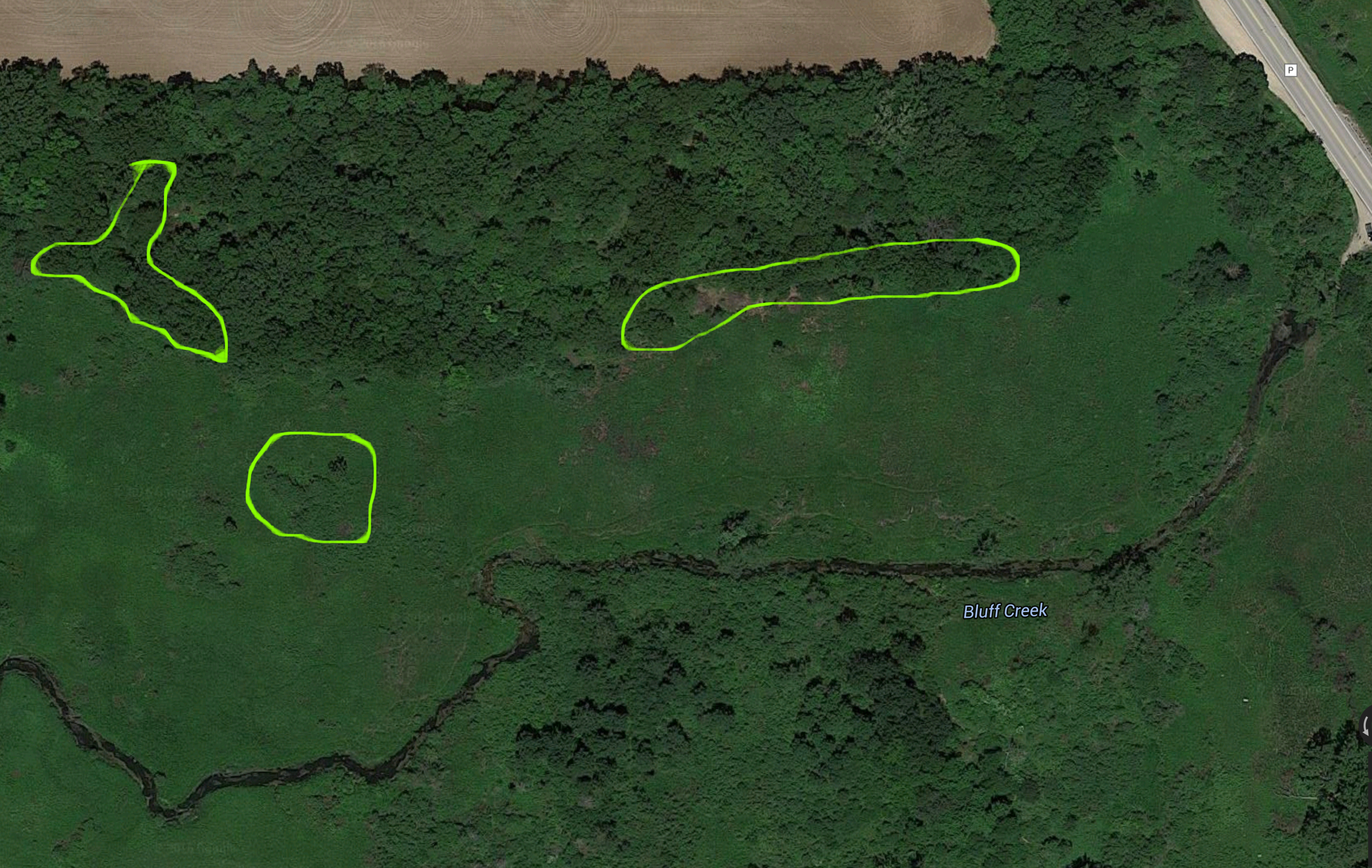 Then he gave an excellent explanation of calcareous fens and why it was important to remove invasive species from the area. He showed us two maps: one with the locations of rare plants and the other with locations of rare animals. I love maps and asked if he would send us copies of the maps with the intention of posting them here. Jared, replied that “no”, the public was not allowed access to this information. The reason given was that people would use the information to plunder the rare plants and animals, and an example of an orchid thief selling his stolen plants at a farmer’s market was provided.
OK, let me get this straight. The government uses money it taxes from us to acquire public lands. It designates federal land, and land it acquired from the federal government when it was incorporated into a state — lands that were stolen from the Indigenous Peoples of the Americas — as National Forests, State Forests, State Parks and Natural Areas. It adds to it’s bounty lands donated by private individuals, conservancies and county government lands. Altogether, these public lands, “the commons”, comprise 5.7 million of the 34.8 million acres of land in the State of Wisconsin. These public lands, especially the 675 State Natural Areas, contain rare plants and animals but The State doesn’t trust the people with specific information about their locations.
Maybe that is why our SNA program is underfunded. People are not educated and exposed to the beauty of the rare plants and animals in the state. They don’t understand the threats they are under because they have never seen them in their natural settings to appreciate their beauty and what it takes to preserve them. I asked the gathering if anyone saw a problem with The State keeping the locations of the rare plants and animals a secret from the public and there was silence.
I dunno, it just bothers me: according to The State the people cannot be trusted. The mindset of the believers in the authority of government is that people are naturally bad, untrustworthy, lazy, uncooperative, thieving, selfish bums. Therefore, a subset of them need to be selected, oops, elected, to rule over and protect us. Uh-huh, I see.
Well, it’s just my opinion after all, and there was work to do…
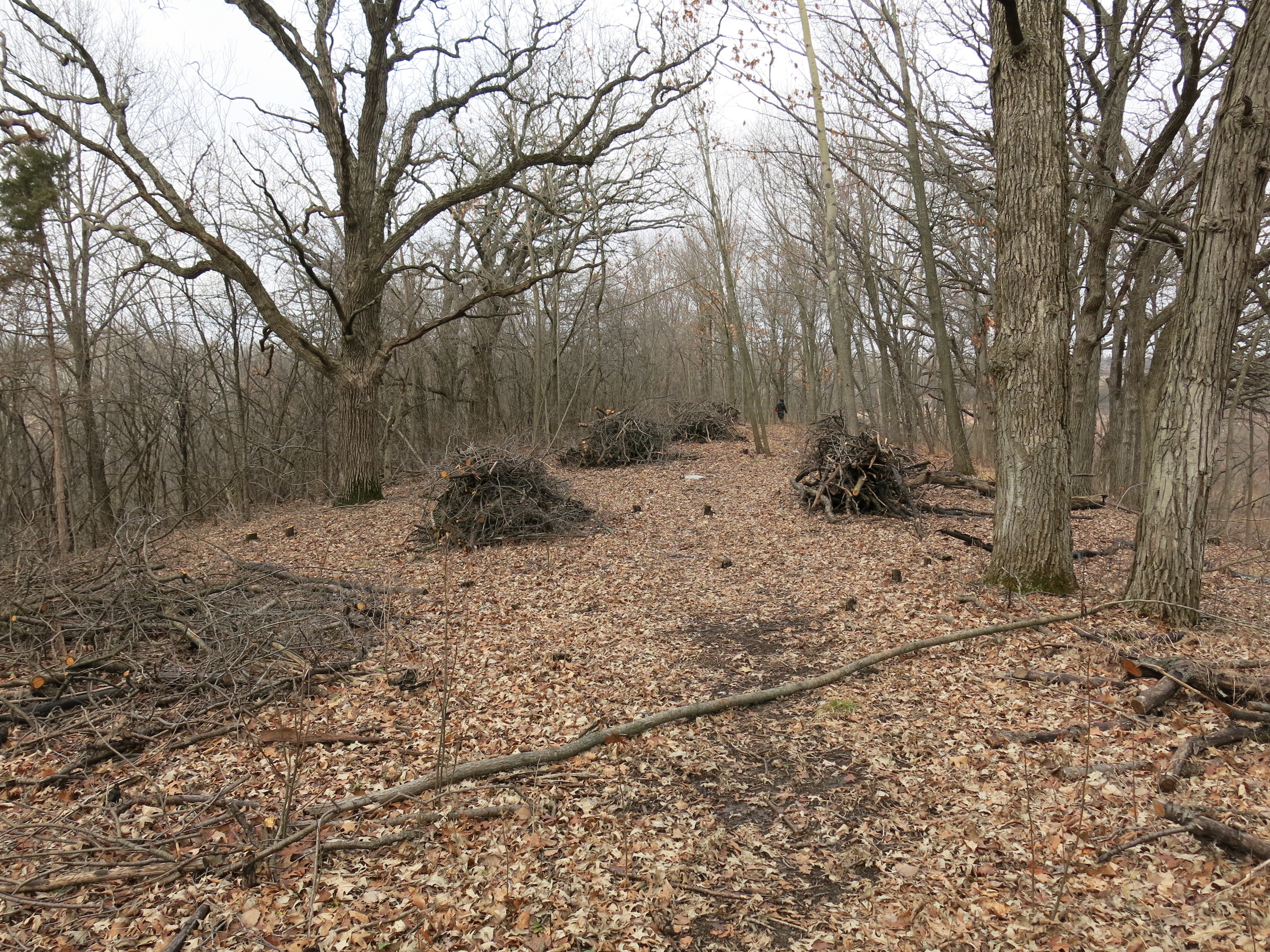
Here is a gallery of before and after images of the area that I helped work in (it is the leftmost yellow outline on the map above).


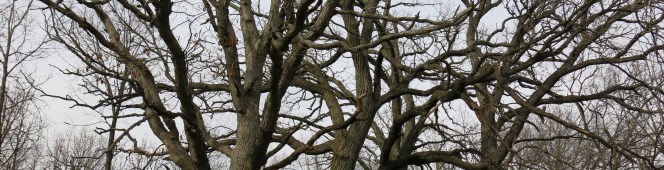
There is a magnificent group of oaks up the moraine from our base location and we couldn’t resist clearing under them, although our focus was supposed to be working along the wetland edge.


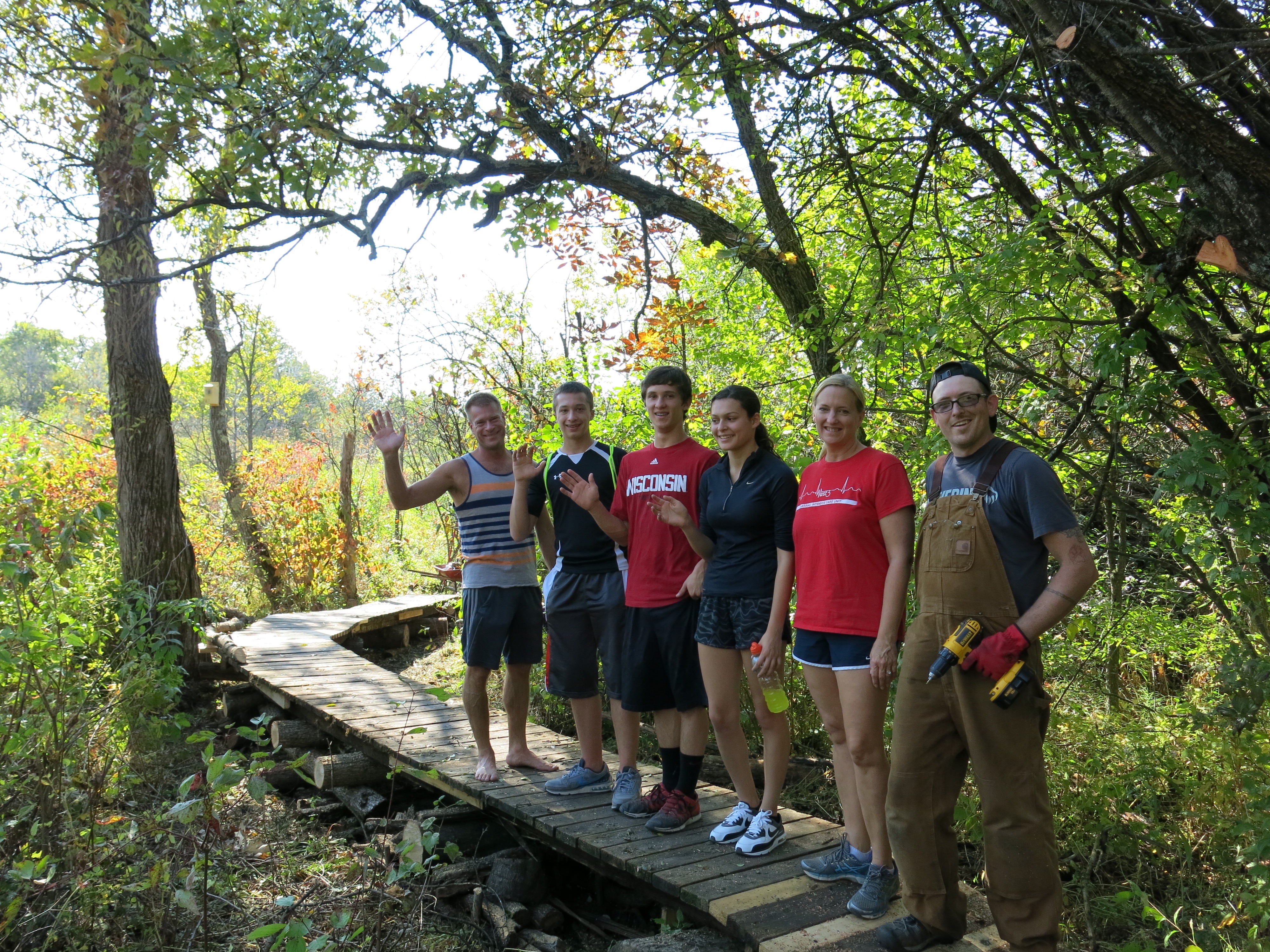
Lindsay and I stuck around to talk and I cut a few more tankfuls worth into the afternoon, so we missed the parting group shot. It was a pleasure to participate in the workday and I hope no one was too offended by my morning rant about The Secrets of Bluff Creek West.

Photo courtesy of Jared Urban
I stopped by The Springs on the way home and took a nice walk around the loop visiting my favorite haunts.


See you at The Springs!




 I Am The Buckthorn Man